Tesco’s AI shopper: a genuine shift in how we buy groceries?
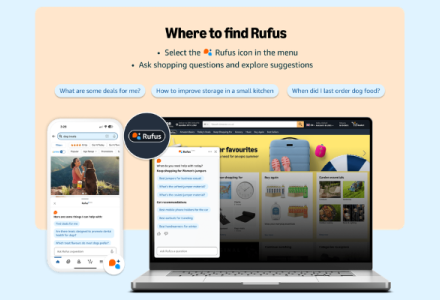
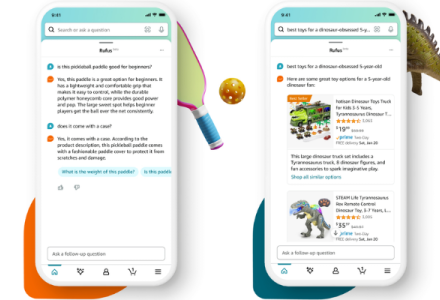
Tesco has become the latest retailer to step into agentic commerce. At first glance, it’s easy to compare this move to tools like Amazon’s Rufus, Walmart’s Sparky, or Google’s AI-powered search experiences—systems designed to recommend products based on prompts.
But Tesco’s approach stands apart.
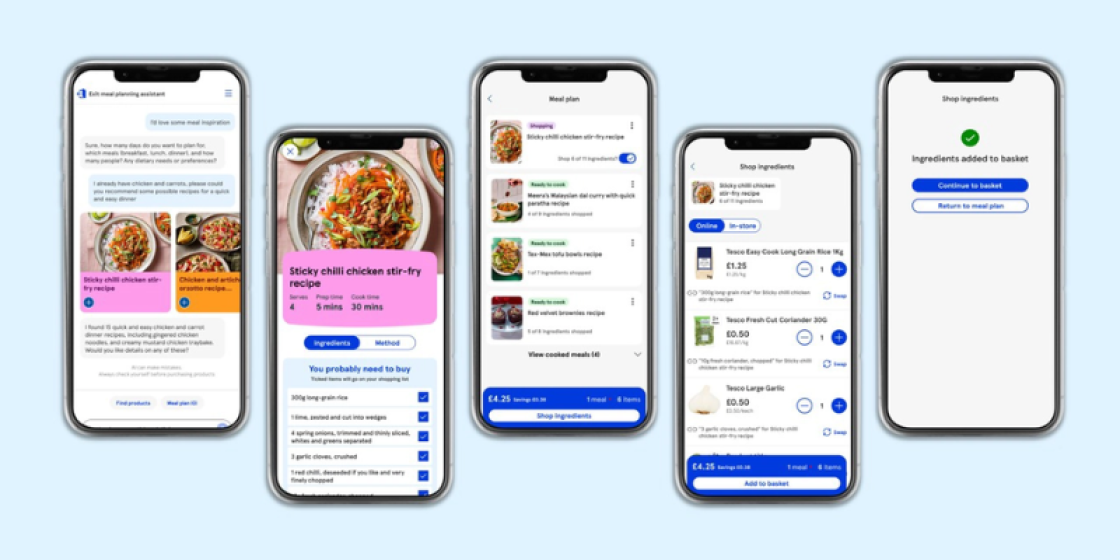
Rather than starting with search and recommendations, they begin with the outcome. By combining shopper preferences, purchase history, and even what’s already in the fridge, the AI builds a complete meal plan, paired with a ready-to-buy basket. As CEO Ken Murphy noted, this has the potential to fundamentally change how customers shop.
The real value becomes clear in more complex, real-world scenarios.
Take someone managing multiple dietary restrictions such as gluten intolerance, allergies, or specific nutritional goals. Grocery shopping in these cases isn’t just about convenience; it’s about accuracy, safety, and constant vigilance. Tesco’s AI reduces that burden. A simple prompt can generate meal ideas tailored to those constraints, with a compliant basket created automatically. It’s a practical step towards truly personalised commerce.
And the timing is no coincidence.
AI-driven shopping is already proving its impact. During Black Friday 2025, AI agents contributed $14.2 billion in global sales, and customers engaging with tools like Rufus were significantly more likely to convert. The direction of travel is clear.
So what does this mean for brands selling through marketplaces like Tesco?
AI doesn’t “see” your product page the way a human does. It interprets structured data, text, and signals derived from performance. Products that sit in high-frequency categories, with strong data foundations, are more likely to be surfaced.
This reinforces a familiar truth: content remains critical, but the definition of “good content” is evolving.
It’s no longer just about visual appeal. Product detail pages must clearly communicate what the product is, who it’s for, and how it fits into specific use cases. For grocery in particular, that means clear, structured ingredient information, explicit highlighting of allergens and intolerances, and contextual usage including meal or recipe integration.
The more precisely your content answers real shopper needs, the more effectively AI can match your product to demand.
We are entering a new phase of search, one that is arguably as significant as the early days of SEO. Brands that adapt now will shape how they are discovered in the years ahead.
If AI is not yet part of your shopper strategy, it’s time to rethink that.
At Luzern, we’re already helping brands navigate this shift.